Virussen biologie betekenis
Virussen infecteren alle vormen van leven, van dieren, schimmels en planten tot micro-organismen als bacteriën en archaea. Ze komen in alle ecosystemen voor en zijn zeer talrijk in de bodem, de lucht en water. De wetenschap die virussen onderzoekt heet virologie, een deelgebied van de microbiologie. Virussen hebben een relatief eenvoudige. Virussen worden vaak verward met bacteriën, maar bacteriën zijn iets heel anders, zo vertelt viroloog dr. Schurink ons in de video. Ten eerste zijn bacteriën levend, terwijl virussen dat niet zijn. Een bacterie is een eencellig organisme, dat zichzelf in leven kan houden. 


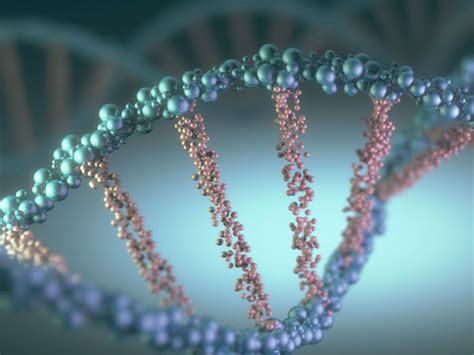
DNA Deoxyribonucleic acid (DNA) is a molecule that contains the biological instructions that make each species unique. DNA, along with the instructions it contains, is passed from adult organisms to their offspring during reproduction. Where is DNA found? In organisms called eukaryotes, DNA is found inside a special area of the cell called the nucleus.
Virussen biologie betekenis Wat zijn virussen? Dit is de hamvraag. De reguliere geneeskunde heeft ons altijd geleerd dat een virus van buitenaf komt, ons lichaam binnendringt en daar schade aanbrengt. Vanuit de reguliere biologie is een virus dus een lichaamsvreemde stof (entiteit) waar onze cellen niet op zitten te wachten.
Pathogeen
This is an accepted version of this page This is the latest accepted revision, reviewed on 18 April Biological entity that causes disease in its host For other uses, see Pathogen (disambiguation). "Germs" redirects here. For other uses, see Germs (disambiguation). In biology, a pathogen, in the oldest and broadest sense, is any organism or agent that can produce disease. A pathogen may. Microbes are found on us, within us and around us. They inhabit virtually every environment on the planet and the bacteria carried by an average human, mostly in their gut, outnumber human cells. The vast majority of microbes are harmless to us, and.Pathogeen A human pathogen is a pathogen (microbe or microorganism such as a virus, bacterium, prion, or fungus) that causes disease in humans.. The human physiological defense against common pathogens (such as Pneumocystis) is mainly the responsibility of the immune system with help by some of the body's normal microbiota.